Dogwood Tree Removal in Bucks County, PA
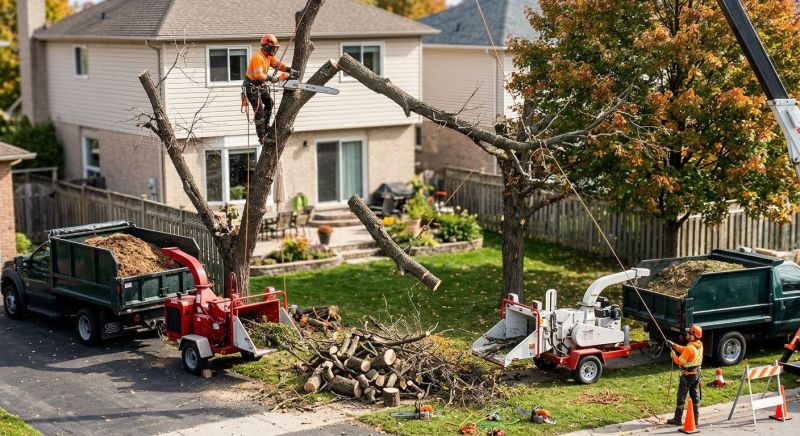
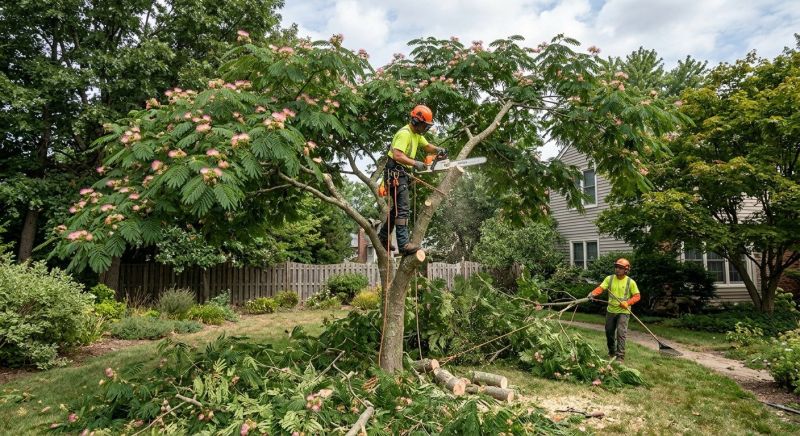
Dogwood tree removal services involve the careful removal of dogwood trees that are damaged, diseased, or no longer suitable for a property. These projects typically include removing mature trees that may pose safety hazards, clearing space for new landscaping, or managing trees that are interfering with utility lines or structures. Property owners often seek this service to maintain the safety and appearance of their landscape, especially when a dogwood tree has become unstable or is affecting nearby plants and structures.
Before requesting dogwood tree removal, property owners should consider factors such as the size and location of the tree, the reason for removal, and potential impacts on the surrounding landscape. It’s also helpful to understand any local regulations or restrictions related to tree removal, as well as the importance of proper disposal or recycling of the removed tree material. Clear communication about the scope of the project can ensure a smooth process and satisfactory results.
Many property owners in Bucks County, PA look into Dogwood Tree Removal for repairs, replacements, upgrades, and appearance-related improvements.
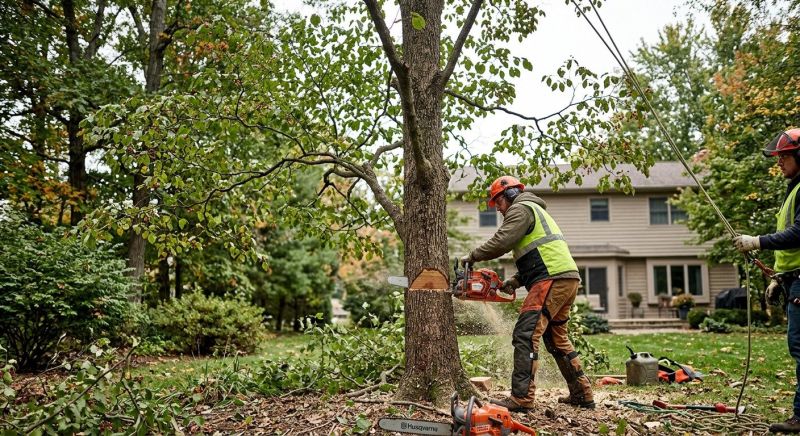
Safe Tree Removal
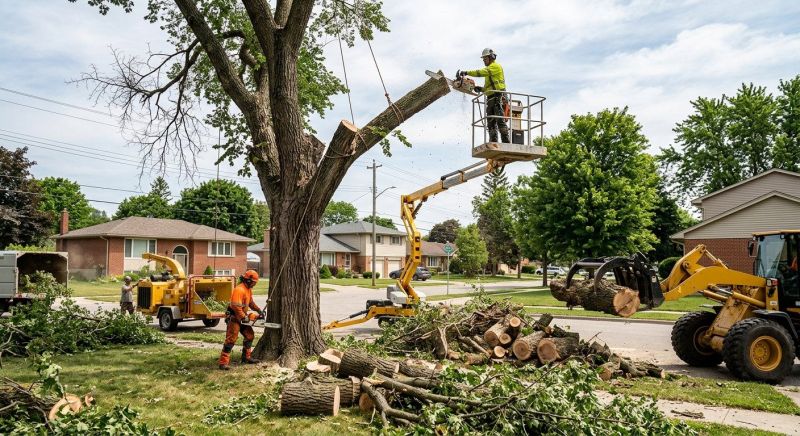
Removing damaged or hazardous dogwood trees to ensure property safety.
Property Enhancement
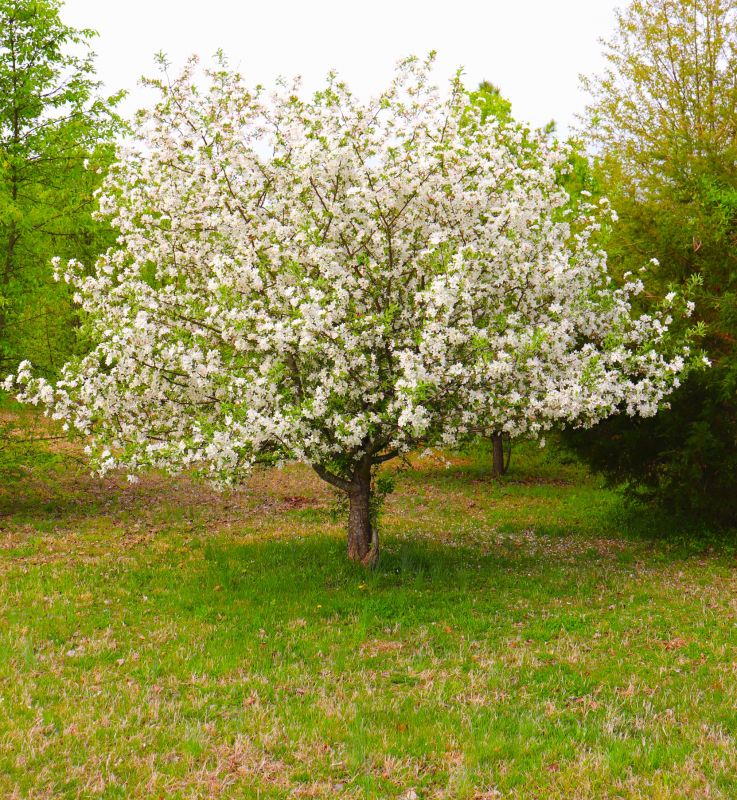
Clearing out overgrown or unwanted dogwood trees to improve landscape appearance.
Storm Damage Cleanup
Removing fallen or broken dogwood branches after storms to prevent further damage.
Dogwood Tree Removal in Bucks County, PA
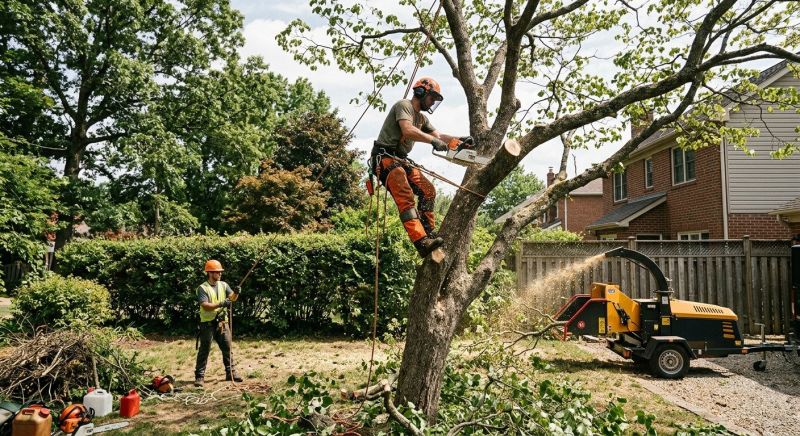
Dogwood tree removal services involve the careful removal of dogwood trees that are damaged, diseased, or no longer suitable for a property. These projects typically include removing mature trees that may pose safety hazards, clearing space for new landscaping, or managing trees that are interfering with utility lines or structures. Property owners often seek this service to maintain the safety and appearance of their landscape, especially when a dogwood tree has become unstable or is affecting nearby plants and structures.
Before requesting dogwood tree removal, property owners should consider factors such as the size and location of the tree, the reason for removal, and potential impacts on the surrounding landscape. It’s also helpful to understand any local regulations or restrictions related to tree removal, as well as the importance of proper disposal or recycling of the removed tree material. Clear communication about the scope of the project can ensure a smooth process and satisfactory results.
Many property owners in Bucks County, PA look into Dogwood Tree Removal for repairs, replacements, upgrades, and appearance-related improvements.
Common Dogwood Tree Removal Jobs
Dogwood Tree Removal - safely removes damaged or diseased trees to protect property and landscape.
Emergency Tree Removal - addresses storm-damaged or hazardous dogwoods that pose safety risks.
Selective Tree Removal - targets specific branches or sections to improve tree health and structure.
Complete Tree Removal - removes entire dogwood trees that are dead, dying, or no longer suitable for the property.
Stump Removal - eliminates remaining stumps for safety, aesthetics, and future planting space.
Tree Clearing - clears overgrown or obstructive dogwoods to improve visibility and access.
Dogwood Tree Removal Questions
When should a dogwood tree be removed? Removal may be necessary if the tree is diseased, damaged, or poses a safety risk to the property.
What signs indicate a dogwood tree needs to be removed? Symptoms include extensive decay, dead branches, or significant pest infestations that compromise the tree's health.
Is it better to remove a dogwood tree early or late? Early removal is recommended when health issues are identified to prevent further damage or safety hazards.
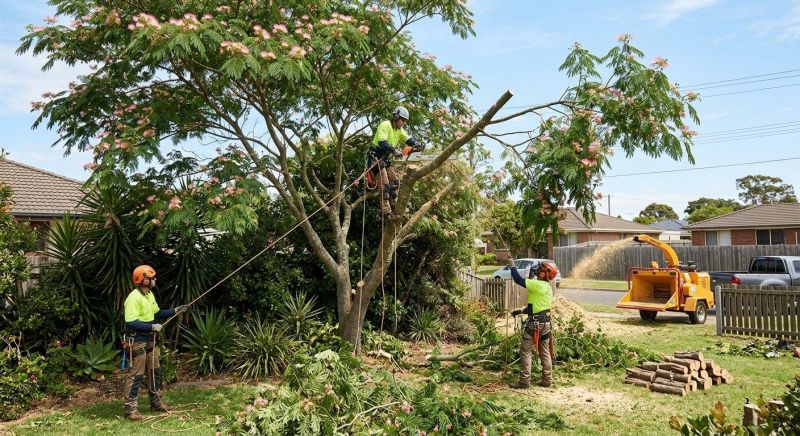
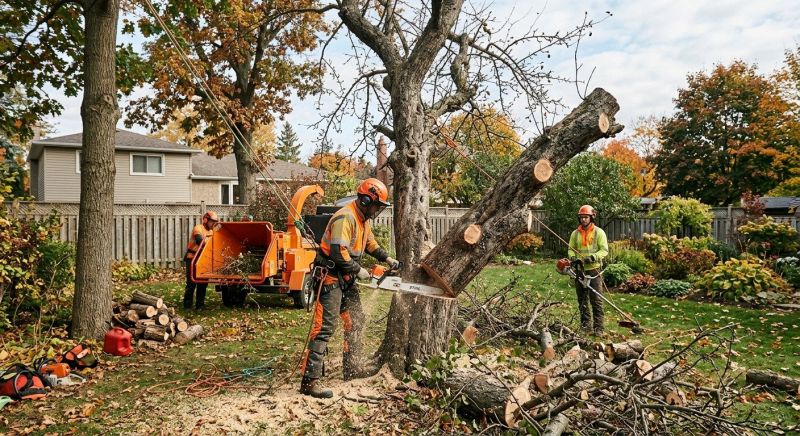
What is involved in dogwood tree removal? The process typically includes safely cutting down the tree and removing the debris from the property.
Request Dogwood Tree Removal in Bucks County, PA
Use the quote form on this page to share the basics of your project and request more information for the type of work you need.